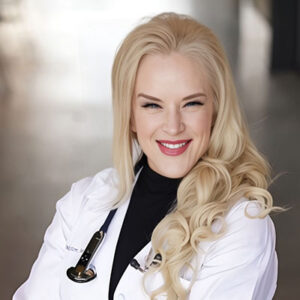
Do you or someone you love struggle with unexplained fatigue, brain fog, pain, or a “”mystery illness”” that never seems to have clear answers? In this episode of The Better Life with Dr. Pinkston, Dr Amy Offutt, president of ILADS, dive deep into chronic complex illness—a condition that often hides behind vague symptoms yet impacts every aspect of daily life. ILADS.org
__________________________________________________________
Hey everybody, I’m Dr. Maryanne Pinkston and this is the better life at Dr. Pinkston. And today I am so lucky I have
a fantastic guest and I have to do a little personal side of this because usually usually you know got somebody
very always have somebody very astute and today’s uh today’s the case but I know this person well and we went to
residency together here at Christa Santa Rosa in San Antonio, Texas. And what’s beautiful about it is we both took an
integrative medicine route. I didn’t know she was doing it. I guess she didn’t know I was doing it, but we have
kind of reunited periodically over the years and and shared a lot of uh great integrative uh thoughts and whatnot.
This is Amy Offit, Dr. Amy Offett. And uh you know, she has accomplished quite
a bit. I think the two most prominent things that I have seen is uh here in Texas. She’s here in Texas. You’re I
think you’re up at kind of the Marble Falls area, which is a beautiful, beautiful area in
Texas, especially blue bonnet season. But uh Governor Abbott uh appointed her
to the acute onset pediatric neuroscsychiatry council and uh you’ll understand why in a minute and she’s
also president of the board of directors for ILADS which is international lime and associated disease society. So we’ve
got a lot of interesting things to talk about this morning. I think uh we kind of agreed upon just uh complex chronic
illness. What the heck is wrong with me? Um we’ll get into that too. So, Dr.
Offen, Amy, welcome in. It’s so lovely to see you today. It’s great to see you too, Maryanne. I
can’t believe it’s been already 25 years since we were actually 20 26.
I think it’s we were um medical students and residents together for like seven
years. Absolutely. We were young and learning a lot. But
yes, absolutely. And great minds think alike, right? So I think it’s wonderful
and because we really didn’t have kind of an integrative with our uh residency training but we
did have a lot of open minds and great that we we saw who really cared about
patients and so we were open to thinking outside the box that Dr. Martin and
everybody up there. Wonderful. Tell a little bit about uh about you,
how you kind of got into this and then we’ll we’ll get into chronic uh mystery
illness, I think is the best way to put it. What is wrong with me type of thing, but tell us about you.
Okay. Um, well, as you know, I always wanted to be a family doctor, and I did
vary from that a couple times in med school when I got enamored by other specialties for just a moment or two.
But it’s because I was really interested in a little bit of everything. Um, and then I got what I thought was going to
be my dream job at working at a little rural 33 bed hospital in Lano, um, in
the Texas Hill Country where there’s like not much medical care for many
miles. Like that is a little island where a lot of people um, country people and a lot of um, older like I think
Lando County has like one of the oldest populations in Texas. a lot of older patients where um that little hospital
served uh as a place for people to go who didn’t otherwise have very close medical care and I worked there for
seven years and I delivered babies and you know went to the nursing homes and did hospital work and clinic work and I
loved it for the first five years or so and then a new management group came in
and started really changing things and like putting a lot more pressure to see more people and do more in less time and
you know without a nurse and like just different like a lot of different things happened that changed the environment of
the work to a different environment. Looking back on it now I’m actually grateful because the the negative
feelings I had pushed me out of that into another type of medicine which I’m
so glad that happened as early as it did. So um anyway, I ended up leaving
after seven years and be becoming just outpatient and started looking at a lot of other different ways to approach
patients because I’d also realized that a lot of my patients weren’t getting better with the things I was, you know,
helping them with. Like I would be treating someone’s, you know, blood pressure and I just couldn’t get it
their blood pressure better. And I just knew very little about anything besides the medication route because we just
weren’t taught it, you know. Yeah. So, um, so I started learning and it was like a whole new world of of information
just opened up that I’ve always I think you are too like lifelong learners. Like we we didn’t think the minute we
finished our training that we were going to stop learning right then. We we knew there was going to be more to learn. And
a lot of the learning comes from just observing patients. Like what happens to a patient when you give them this or
when you advise them that or you know when they do things for themselves? Like one of the most interesting things I
would say just having curiosity is a patient comes in and they’re better and
they tell you what they did to make themselves better. Like I have a lot of curiosity about well what what was that?
Doesn’t mean that I’m automatically going to tell every other patient that. It just means it’s a little more to take
in and understand and maybe go read up on and I mean I’ve learned a lot from my patients. So um and we all should be
right. we should be observing our patients and not, you know, telling them they’re wrong or telling them they don’t
know or telling them there’s nothing wrong with them. So, I think that’s how it sort of directed me a little bit more
down the path of integrative medicine. And so, um, I did A4M initially and
learned a lot there and then um did the masters of integrative medicine at
George Washington University, you know, back in my time when I was spending more
time with Dr. pain and um and then did my board certification in integrative medicine and and I’m not against family
medicine but I have just moved on from kind of the concepts of like these quick
you grew up you grew up yeah like I I don’t want to give a medicine for a
symptom and then just watch the patient and just watch the patient’s med list grow. I want to actually like see them
thrive and and get their health back. So, and I didn’t know how to do that until I went back to school and learned
more. So, it it’s it’s kind of sad that that has to happen, but at the same time, like there’s so much to know.
Unless they really hugely revamped medical education, I don’t think I don’t
think they could do it. Plus, it doesn’t really fit in the current medical model because it’s not quick care. It’s more
intensive singular complex care. So, anyway, that’s
that’s about here. That’s about 25 years worth. And so and a very similar space
for me too. You know, I think what I always say this to people. It’s like once the light bulb goes off, you cannot
shut that light off. You know, that’s it. Curious. And you go down the road and there you are. And and 25 years
later, here you are, right? Same same story for me too. And I think as well if
um you know what something you described back when you said you know you were enjoying the first few years being a
rural doctor and doing what you do um and then the the the landscape changes when the corporate you know bugs come in
and take over and you’re right they want you to see more and more and that’s the insurance model. We came in to medicine
right as insurance was starting and taking over. That was right at that flux
and we were warned and residency of what was coming. So we knew but uh I did not
know it was going to do what it did and here we are. Right. Yeah. Um but uh but the I guess staying on
topic because that’s a that’s a huge topic in itself. Um you know mystery illness. So what what you know if we say
that what does that mean and uh what do we do about it?
Well I um I I feel like every day when I’m seeing patients I I hear their
stories and a lot of them have been to a lot of doctors like a lot of regular doctors
and and some of those doctors have been very kind to them but like they’re not looking at their case through a what’s
causing this lens. they’re looking at it this what do we give you to try to make
your symptoms less which I I still like to do that too I want to eliminate
suffering but I also want to be looking for under underneath it what could be causing it
and so um so I think that is the mystery the mystery is what’s causing it you
know it’s it’s um and patients nowadays with so much information at their
fingertips like if their doctor doesn’t answer their questions or make them feel comforted or reassured. They are going
to go to the internet. They are going to try to figure it out for themselves or someone that loves them is going to do this. And then they’re going to come in
with these things that sound preposterous to someone who hasn’t learned about them. They’re going to
come and say, “I have Lyme disease.” Or they’re going to come say, “I have mold illness.” Or they’re going to come say, you know, like
something, right? I don’t know what this is, but something’s really wrong with me. and and they may have already had a little I
would call it a cursory workup that says, “Oh, your white count’s normal. Oh, you’re not anemic. Oh, your
thyroid’s fine.” And so, you’re fine. And they’re not fine. They feel terrible. They’re tired. They’re low.
They’re they have just a lack of vitality. And um a lot of them have pain
and sleep problems and digestive issues, too. And so, it’s not super simple.
That’s why it’s kind of mystery. But it’s not it doesn’t sit well in the
template of treating patients where we’re looking for one thing to treat with one
intervention at a time and then see them again in a month. It’s not like that. that’s really more multifaceted and and
the only way to look at it is like a big puzzle, you know, like each person is their own puzzle and trying to piece
together the puzzle um so that you can figure out what’s going on so that it can be as much as possible optimized or
undone or or addressed and then hopefully behind that is just better health and like resolution of those
symptoms without it just being done with the medication which often doesn’t help you know like a lot of people are not
very tolerant of poly pharmacy these days. Um and you know like I saw that in
my grandparents my my grandmother always was super busy working doing things
around her home and then uh once I went to see her she lived in southern Illinois and she just didn’t get out of
her chair and she had normally made food. There was no food. She had gotten someone to pick food up and she just
didn’t get up from her chair. And I um I sat down beside her. I was probably
maybe I don’t know. This was probably 15 years ago. And I put my hand on her wrist just
and felt her pulse. I don’t even know why. I just did a patient, so I just did it. I wasn’t even thinking. And her
pulse was like 40. And I was like, “Grandma, what’s what’s going on?” And she’s like, “Oh, honey, I guess I just
am getting old.” But her pulse was so low. And so then I asked her, “What medicines are you on?” And she showed me
and she was on way too much. like she’s on a beta blocker and a calcium channel blocker and both of them were lowering
her heart rate and both of them had Sharpie on the top that said 2X and I was like what does this mean and she’s
like oh my heart doctor doubled them up and like I was like how long ago was
that she’s like I don’t know maybe six or eight weeks ago and I was like how long have you felt so tired and she was
like you know six weeks ago and then I was like you have to get you
have to get this undone because this is not you and So my aunt took her back to the cardiologist and he said, “You’ll
get used to it, Helen.” And then I was just I was so mad. And so anyway, we got
a second opinion and thankfully like she was able to get those medicines adjusted
before she just sat so long in that chair that she got deconditioned to it and she got back up again and she lived
about five more years. But um it’s just that stuff happens all the time like where
it does, doesn’t it? It’s like I don’t care if a paper says that being on a
beta blocker prolongs your life if your life is sitting in a chair, you know?
So like she was already on it but she just had her dose increased and then there was just no appreciation for it.
So anyway, sorry for the side story but even watching that in true in my family it just happens and it’s
like people are like even that cardiologist I’m going to cut him a little slack. He probably is in such a
hurry to get to the next patient. he doesn’t have time to really sit with her and talk to her about what does she do
like what is her normal routine and now what’s happened when started these different doses of these medicines. So
it’s kind of sad. It sort of takes the personal out of it and the human out of it and makes it more of like a you know
an application of the algorithm and I just don’t like that.
I just can’t I just can’t do that’s why I’m so thankful to be in solo practice where you know where I can do what I
need to do for my patients because yeah oh my goodness believe me h and well
when when patients I notice a lot of patients now use AI and come in and will
uh you know search things up on chat GBT I’ve got a friend of mine who that’s her veterinarian is you know
and uh so yeah it makes me insane which like you say people don’t do that because they think they can do it on
their own. I think there are some people who feel that way, but I think it’s because they’re not being heard and they feel they have no choice. There’s a
desperation. I understand that rheumatoid arthritis or whatever it is and have for and felt awful and been in
pain and talking about I understand that desperation and you know if your doc is not listening to you, what do you do?
You go look something up. But what are some of the common causes now that you
know uh that you see uh with patients that that feel this way?
Well, it’s it’s funny. Patients will come in and say, “You always treat mold
illness first.” And and honestly, that’s not true. Or you always treat infections first. And honestly, that’s not true.
It’s very individualized. So most patients have a little bit of a few
things wrong with them. And when I say a little bit, I don’t mean that it’s minor as far as how it presents. I mean it’s
like part of the list. And so so many patients have infections with
bacteria like bartalosis, uh, borelliosis, which is, you know, Lyme disease is just one little small
subset of species of bellia. There’s a bunch of other ones too that fall into a different category called tickborn
relapsing fever that when you know one reason when people go to the regular doctor and they get tested for lime and
it’s negative that they get told they don’t have lime is maybe they don’t have lime but they may have a different bellial infection or they may have
bartinosis or they might have the besiosis which is a parasite. So you know and or others like the list is is
not even limited to those. Those are just some of the ones that we kind of see the most. All of them have um kind
of nuances as far as you can clinically try to figure out which one based on
symptoms like um usually like the besiosis will be accompanied with sort
of drenching night sweats. um you know that that becomes challenging when you’ve got someone who’s also
potentially having menopause or you know some other co-occurring infection but
still I mean they deserve the workup and so um things like like bellial
infections will usually cause migratory pain. So like one day your knee your left knee hurts the next day your right
elbow the next day it’s your left wrist kind of you know it doesn’t have to be one joint either it could be multiple joints and they kind of move around.
It’s not that, you know, I’ve had patients come in and say, “My right knee always hurts. I know I have Lyme disease.” Well, maybe, but that’s not a
hallmark, you know, like standout symptom of it, per se, even though there’s a lot of other causes of joint
pain. Um, bartella, a lot of people have skin involvement. A lot of people have
this, you know, kind of the new buzzword with patients is mass cell activation, which is really just like a up uh
regulation of reactivity. um to almost anything. Like I tell
patients like the only thing predictable about massel activation is that it’s unpredictable. So cold water, warm air,
you know, the same things you’ve been exposed to before can trigger a reactivity where you feel either itchy
or you feel heart palpitations or you feel dizzy, you can get a headache. I mean it doesn’t it’s not histamine only
issues like histamine is one of the kind of the negative players in in the systemic reaction but it’s other there
are other things too that make people feel exhausted or you know just it’s way
more than a runny nose or itchy eyes or itchy throat like a regular allergy. So
um you know there again the mystery illness is not such a mystery if you
start looking and thinking what’s you know what’s underlying this problem. I mean some people have had some really
unusual exposures to environmental chem environmental chemicals too. And so like
I I kind of listen to them, try to assess their risk based on their history
first, correct? And then if I can say if something really stands out like I started feeling
ill after I took a trip to a certain place where uh I had a acute illness
like that tells me something versus you know I worked in a chemical plant in Houston for 35 years and then I retired
and now I’m shaking and can’t walk. Like that’s Yeah. And I thought military like in San
Antonio, a lot of the military community have a lot of, you know, especially from
the um like the Afghan and you know, Middle East uh exposures and whatnot. I find a lot of people here in in South
Texas do that. So, wow. Definitely. And what we’re trying to do kind of the conventional route is give them a
medicine to lessen the symptoms. But we haven’t really explored more deeply like what did they get exposed to and is
there any option for like removing that or or lessening the burden
of it. Um, you know, I kind of hate the word detox, but like it really it really
does need it needs to happen. Like whether it’s through, you know, sweating and saunas or, you know, IV therapies or
combinations of different therapies. Sometimes people will get a big improvement and it’s unfortunate that
they can’t get that from their regular primary care doctor or their neurologist because it’s just not regarded in that
in that way. Well, let me ask you if if and I’m sorry to interrupt, but you triggered some thought that um because I
think I understand the answer. Why do you hate the word detox?
Well, I think it’s like a buzzword, too. Like, you know, oh, you just need to
detox. Well, that sounds like, you know, stand upside down in your sauna and, you
know, count to 100 and then rub something on your knees and you’re done.
you know, it’s like a it’s really like waking up what’s already there because
there’s a lot of times it really is an interference. Like, sure, there’s just things in the way of
of what’s already God-given. Like God gave us ways to like he gave us the liver, he gave us kidneys, he gave us
lymphatics and all of those are sort of, for lack of a better word, they’re sort of overwhelmed or or sort of struggling
because there’s so much that we have to deal with, especially the older we get, like the more exposure we accumulate.
And then um you know, I remember kind of going back to another grandmother story,
but I remember when my grandmother got Tupperware, I was probably like 10. Before that, we had glass. We drank out
of glasses. The dishes we used were breakable. And once in a while something
would break, but we weren’t ever using plastic things. And then all of a sudden, here comes the microwave and the plastic. And then everything’s just
plastic, plastic, plastic. And um and that’s why, you know, I think there’s
something not so good about ingesting things that are cooked in plastic and it’s common place. So, I mean, we don’t
we built our house we lived in five years ago and we don’t have a microwave and people just think we’re the weirdest
people, but we just don’t microwave things and right we try to be in I don’t think we’re
obsessed. We try to we’ve learned that you can’t be perfect and so being, you
know, comfortably relaxed is as well as we can do with our food. And we still go
out to eat every once in a while. you’re kind of picky, but we’re, you know, we’re not hermits because we want to be
around people, too. But just knowing that those things are, you know, that’s
just part of it, too. There’s just there’s so much more now than there used to be, just for people to have to kind of deal with.
So, um, yeah, I mean, we do need the assistance to detoxify and, uh, and we
have those things built in to us already. It’s just that assistants are somewhat overwhelmed. And so number one
step is just start trying to be less exposed if possible and then you know
wake up some of those overwhelmed systems and help support them to
get rid of that stuff. So, and that’s why I think that and and why I asked the question and and why I hate
the word detox is because a lot of people will do it and they will start to rid the or like you say wake up whatever
is underneath and going on and you know either they feel better but they don’t
get rid of what is going on so they just build up and then eventually have to do it again or they will start that detox,
wake something up and then feel worse and more horrible and then they’re like,
you know, I’ll never do that again when they were getting somewhere with it, you know. So, you can kind of ride both
sides of the wave, but it is a buzzword and it’s like just detox and you’ll be okay. And no, that is not okay. But once
you wake up, if we find the root cause and you wake it up, yes, you’ve got to detox uh through it, but there’s a way
to do it better and slower so you don’t have that horrible reaction. Um, and so
that’s why the guidance, you know, of somebody who knows what they’re doing is very very important and uh, and so I
agree. I I think it’s exactly what you said and so just reiterated, but I do I I I hate that people have to go at it
alone so much and that is the problem. Mhm. And so I think what uh what we’ll do
real quick, Amy, is is take a short break, but before we I want people to know I know you’ve got an event uh
that’s coming up. And so we pro I probably need to to uh um clarify, you
know, whether it’s more patient related or doctor related. Maybe if it’s doctor related, you can encourage patients to tell their doctor, go listen to this.
But uh but I know you’ve got an event coming up and then people need to be able to find you as well. So, uh, give
us a little information about where to find you and then we’ll take a short break. Okay. Thank you. Um, so I, as you
mentioned at the front end of our talk, I’ve had the honor of getting to serve as the president for IADS for the last
two years. Um, I’m about to to roll off and be the immediate past president and
Steve Harris is going to take my place. Um, but we have our 26th annual
scientific conference in San Antonio from October 9th through the 12th. Okay. Um it’s a Thursday, Friday, Saturday,
half day, Sunday. It is for clinical uh professionals.
So it’s, you know, it’s a time when what we really want to do is educate doctors, nurse practitioners, pharmacists, you
know, naturopathic doctors. Like we have a really beautiful constellation of
different backgrounds of people as part of our organization. And we’re a nonprofit. And really our mission is to
educate so that patients like we’re saying like you and I have been talking about patients don’t have to do it
alone. They have somebody to I tease my patients and say you ride in the front with me but you move out of the driver’s
seat. I’m going to drive for a little while and you just sit beside me so that you don’t have to feel so overwhelmed with what’s going on. You’re still going
to give me your thoughts and feedback but you don’t have to be quite so like I
feel like that takes a little stress off of them which can also help them heal. But anyway, um, back to the scientific
conference. Um, we’re gonna have some great speakers. We’re going to have a workshop on IV therapies that can be
helpful with patients uh, who have chronic complex illnesses. Um, we’re
going to have some other breakouts, too. It’s it’s all up on the eyelads.org
website. And so if anybody’s curious about it, I would love for people to
send their doctor, their NP, their brother who’s like disenchanted with the
current kind of medicine, like doctors who don’t love what they do every day. Yeah. Do have other options. They just need to
go and kind of see what they are. And Lyme disease. Yeah. Lyme disease has
become kind of a dirty word. And I’m I’m sad that that’s true. So, I I tend to just talk in different terms when I’m
talking to other doctors. Like, if you have I tell doctors, if you have chronic complex patient cases and you want to
try to help figure out what’s going on, come to the meeting. Like, just be like you said earlier, be open-minded. We’re
not only going to talk about lime. In fact, that’s we talked about it, but it’s like a small part of the whole weekend because there’s so many other
factors that influence the care of these patients. So, we’re talking about all the other things like the the terrain,
so to speak, the like what’s going on in the host, like the human host. A lot of times the reason they’re vulnerable to
things like lime or bark or or mold is because there’s something that makes them set up for that.
So, it’ll be a great meeting. We also for patients um and just supporters of
ISAs in general, we’re having a gayla that Saturday night that will also be at the Grand Hyatt downtown and anyone can
buy tickets. Um we’re going to have a really good band. Brandon Allen is and his band are going to perform. We’re
going to have a live auction and just fundraising for scholarshipping people
that otherwise might not be able to come to some of our meetings. And so we’re trying to, you know, push
forward with better education, better options, better care, and it’s just a
little bit of an uphill battle because out in kind of the mainstream medical world, there’s somewhat of a resistance
to this. I feel like integrative integrated doctors are really where my
focus is because a conventional doctor that is already shut down to this like I’m going to spend my energy more and
someone who’s actually looking for better ways to care for patients. So
anyway, yeah, I think anyone listening, if you’ve got someone like that, um, and
even if they want to talk to me, like if they send an inquiry to our our website, my our website is my name. It’s
amyoffnd.com. They can um send an inquiry. I’m happy to call them, talk to them, let them
know more about the meeting. They can look on the website, too. But really appreciate you for letting mention that here because
um we’re excited. It’s going to be in San Antonio. Next year it’ll be like in Washington DC.
Um, so no, I’m glad. That’s one of my one of my uh four to
six week uh spots that I’m falling into. So it looks like I may be able to go at least in in part. So that is awesome.
All right. Well, and then everybody can find a lot of information and even more on mold and lime from other uh guests
that I’ve had on. drp betterlife.com but you can find out more abouts and Amy and
everything from the website uh and uh uh then all the links uh to the show and so
DRP better.com. We’ll take a short break and be right back. Depression, anxiety, low energy,
weakness, these are just some symptoms of low B12 levels and the absorbable B12 folate supplement that’s helping people
declare victory over depression symptoms is Denovo Plus B12 by Magna Pharmaceuticals. Patients with symptoms
of depression often exhibit low levels of folate and vitamin B12. The human body needs sufficient folate intake to
produce the essential neurotransmitters serotonin, dopamine, and norepinephrine. These neurotransmitters alleviate
feelings of sadness, anxiety, and gloom. What makes Denovo Plus B12 so successful? Denovo Plus B12 contains
readily absorbable folate and B12. That means it’s more successful at correcting
the root cause of your deficiency, not just the symptoms. Whether you are suffering with low energy, depression,
fatigue, or anxiety, you owe it to yourself to learn more at magnb.com.
That’s magnb.com. Please let us know at checkout that you heard about Denovo Plus B12 on the
better life with Dr. Pinkston. So that is uh Dr. Warren Leser’s uh
company, a tiny little pharmaceutical company who’s been supporting me and been on the show a couple of times.
Great little group of people. I appreciate them very very much. Um so yeah, we’re continuing on kind of
chronic uh uh chronic complex illness. I love the way you say that honestly because I’ I’ve always said mystery
illness and patients relate to that very well, but in in true medical terms, you know, chronic complex illness and it’s
com complex, right? Body’s a 500 piece. My audience has heard me say this a thousand times. You know, the body is a
500piece puzzle and each little piece is just as important. So, stress, sleep,
uh, hormones, thyroid, you know, all I could go on forever of all the different things. MTHFR is one big one and, you
know, the inability to make your foliate like the like the commercial says and whatnot. So, a lot of different things
add to whatever the root illness is going on. I’m sure you find that to be
the same thing and and follow that path as well. Well, um you know, the things you just
mentioned, I consider those like the foundation. So, if we’re going to be if I’m going to be a little silly and talk
about puzzles, it’s like the edges and the corners. You know, you could start with those. Um and it makes your puzzle
easier to put together. things like nutrition, um movement, hydration,
um general hormone optimization, stress is huge as you know, and you
know, even just the the stress caused by pain or sleeplessness are huge. So,
um setting the table, you know, I steal that from another doctor that uses that
term, but he’s like, “Let’s set the table and then we can start working.” And I think leaving those out is
probably where some people don’t get better. Like because and I don’t ever
start with like you need to start going to the gym five days a week for an hour. Right.
But you know when they tell me I I some patients will be like I I went on a hike last weekend for the first time in five
years. Then I know we’re on the right track because they’re starting to do things that they like to do, right? So, I do give them a shove in the exercise
direction once they’re starting to feel better, but I usually start with just the basics and then trying to figure out
why are they so inflamed. And if I can figure out why they’re so inflamed and address that, the inflammation starts to
diminish and then they start to just slowly feel better. It also takes a while, which is the hardest other part.
And they all know though that they didn’t get there in a in two weeks, they’re not going to get where they want
to go in two weeks. Um, it amazes me how patient some patients are for like letting slow subtle improvements happen.
Um, but it, you know, it is just a slow steady process and if we can kind of
hold hands and keep going, it it does happen for them. They just don’t give up on it.
You know, that’s a great point. And what I find with my my patients is that, you know, they come in, of course, they want
to find that one thing, fix it, and instantly feel better. And I get that. But if they sometimes I notice if they
don’t get you know kind of more instantaneous results and and if I don’t
build in for them that it is a process then they’ll get frustrated switch
doctors and then they have to start all over again. So that’s all you do is switch doctors and start all over again.
And I try to encourage people stay with me. You may not Yeah, I know it’s been six weeks and you haven’t really noticed
much. It just means it’s time to take the next step. So, let’s let’s keep going because if you just give up and
switch, you start all over. You’ll never get to where you’re going. I love to make a point on the exercise
thing. So, I say it almost every show and I know people are exhausted from it. I was 300 pounds, but I have been on
Predinazone, been very, very ill, you know, from and all. And I have found on my, you
know, there are days and I hear patients say, I’m too tired to exercise. I just don’t feel like exercising. And I’ve
been exercising for eight years now. And I can tell you if I go on a trip or something and I’m not exercising, I come
home more stiff and a mess than when I get up and I go, that first 10 minutes,
you know, before I get out the door is awful. And maybe the first five minutes getting started, but by the end of my
workout, I feel so much better. Thank God for Dr. Wickersam who just told me
he just planted the seed because I think I’m a patient too and I think like everybody else you know it hurts to
exercise. I don’t feel good but now I don’t feel good if I you know if I don’t
exercise and he’s the one that planted that seed and said Marian when you exercise you push inflammation out and
that helps you know get the joints moving get the you know get the inflammation going out and and that way
you can do more. So I think you know we need to flip our thoughts about exercise
and again you know we don’t suggest somebody who hasn’t been to the gym to go five days a week suddenly and spend an hour at a time. No, it’s just not
necessary to to start that way and you’re going to uh you know discourage yourself and and uh hurt yourself. So
don’t do that. But start with a walk just kind of slowly get going, get moving. You’ll find you get addicted to
it after a while. I can’t go without right and I have very severe disease. So, it’s like but it makes me feel
better and it well. So, anyway, I’m sorry to interrupt, but I think that’s no. I love that
we just added um one of the other people on the board with me fors. He treats a
lot of athletes, too. Um he kind of specializes in concussion and how that makes um infection and mold illness
worse. Yes. Um so he had suggested to a group of us that we look into blood flow
restriction exercise because for patients who maybe can’t you know
imagine going for a long walk because they’ve just been in bed like you know like for them walking to the
bathroom still is kind of tough. True. We have a physical therapist in our office who we we have blood flow
restriction bands from Owens Recovery Science and we’ll just exercise them with, you know, it’s basically guided
exercise and what when you restrict oxygen to a muscle and then work the
muscle, the muscle thinks it got a big workout when in fact it it didn’t get as much of a workout. it was a little bit
of a shortcut to like building some lean muscle and then they can work their way
back to where you know they’re not so sore from walk around the block or um so
like helping people like swimming is so good if you’re just starting out because
it just doesn’t pound your joints and muscles as much. stretching. I mean, oh
my goodness, like if you could just stretch if you don’t feel like you can effort, you know, I’m talking about my sickest patients, like just do some
stretches in the morning and you’ll start to feel a difference. So, I’m totally with you that like doing
something every day. I I try to ride my bicycle to work, which my bike has a flat right now, which is sort of
making that hard, but um I have a little walking pad under my desk, so when I’m doing phone visits, I walk usually while
I’m on the phone. And that my daughter is the one that said, “Mom, you should do that.” I’m not like I’m not a natural exerciser. I
could just sit in a chair and read a book all day, but I I know I need to and I want to be one for the sake of just feeling good
and aging well and you know so I have to I I often will commiserate with my patients and say I
know you don’t want to but if you just like you said Marian if you just get going like getting there
Brad and I have also been playing a lot of pickle ball in the evenings. Yeah. So, like that’s a good um
movement, you know, like some days it’s easier than others, but it’s like super fun. So, it kind of lets me forget that
I’m running around and chasing a ball and you know Yeah. And I know there are people like
you say, I I remember getting up and just I would get up like two hours before work and just sit in the shower
till the water ran cold, you know, just saying, “I’ve got to go. I’ve got to go.” I understand. I spent I spent years
in bed. I couldn’t even clean the old, you know, infant clothes out of my children’s closet. You know, they’re
five years old and there’s still infant clothes hanging in there and in drawers. I just couldn’t do anything. It was
awful. But I did find it took me two solid years to get my body turned around and
going despite still being ill and still being ill 19 years later. But I go five
days a week for an hour. I lift weights and I run. I still I do it. I it it’s
people think I’m I’ve got a fused ankle and everything. I still do it. But it I my body needs it and I built up very
slowly. So I went from bedridden, you know, to this point. It can be done. So even as sick as you are, you can. But do
it under guidance. I didn’t do any of this alone. I had guidance. I great trainer, Sonia, who is here in town. Um
and I still use her eight years later. I think I have bought her probably a couple of houses and cars by now.
But it’s worth it because I don’t eat out. I don’t buy lots of bad food. I don’t I don’t do things that are bad for
me. I just shifted my money away from what I was doing that was bad to now doing something that’s good and that
made it affordable. I know I’m a doctor, but I’m not rich. I you know, I work under in I I accept insurance at the
clinic. That doesn’t make you rich. So, it you know, it is just shifting around. So, it it’s a lot of shifting your
thoughts and priorities, I guess. you know, you just prior prioritize your
your health and and uh and switch it up. And I didn’t, you know, I think you said
something too, listening to your patients and what was working for them is always a great clue. I think that me
being sick has led me to find out different things and do different things. Just testing it, you know, on
myself in a way because who knows? Nobody knows out there what it is. Yeah, you probably do. you’ve invited me a
thousand times to come see you and I I should and I I think I’m going to now. I’m done. 19 years is long enough. But
uh but it is it’s just very important in finding somebody who is uh is open to
what you’re what you’re needing. And so any thoughts that we haven’t uh tied up? Anything else you can think of that is
important to uh getting to the bottom of a you know chronic complex illness? I
love that. And uh anything else you can think of? Well, um I recently had the
opportunity to interview Daniel Aemon, you know, Dr. Aean, the Aean clinic doctor. And um it was for it was for
IADS for a webinar. And at the end of our talk, I asked him what he does every
day for his brain health because, you know, brain health is this is huge. It’s huge. And I thought and he had
already talked a little bit about things like exercise and nutrition and some supplements and things like that, but
and I thought he would say that something about his routine, but he said that his most important um practice that
he does for his own brain health every day is he gets up and he looks in the morning in the morning at himself in the
mirror and says, “Today is going to be a great day.” And then every hour he tries
to think of something good for the last hour, even if there was something bad. Yeah. And so it’s funny because um as he said
that, you know, he’s written like 40 books or something and they all pretty much point in the direction of positive
thinking. Yeah. Which, you know, it’s hard when you don’t feel well to have a positive
thought. Um, so I think our role sometimes is helping patients find some
little good in all of the negative that they have encountered and then you know
helping them build from that more of a like what can they be grateful for or what are they you know excited about or
looking forward to and you know practicing that ourselves. It was funny because you know how when you do a
webinar and a lot of people are on they’ll put messages in the Q&A like a question and someone said what if everything in
your life is negative we were we were at the end of our call
and I was like okay I don’t know if I’m gonna give him that question and I
didn’t because I knew he was gonna just start over and say like start start with somewhere like start
somewhere Yeah. So,
you know, I and the other thing I always like to say if I had the chance is for patients is like patients are their own
best advocate. So, even if the doctor has told them you’re fine or you’re normal or this is your only option or
you just have X. I mean, I don’t care if it’s bipolar or rheumatoid arthritis. I mean, like I think those are all caused
by underlying triggers. infections, you know, toxicities, exposures, um,
like you have to go digging for it and looking for it. So, if if someone’s doctor isn’t approaching your case in
that way and they want that, it’s going to be up to them to go find it and andor I tell them find a doctor that’s nice or
that has like a heart for you, like that cares about you and tell that doctor, hey, I’ve been looking at root causes of
my condition. Would you go learn more about that? and like send them to ELADS or send them to integrative medicine
training or like you know direct them and if enough patients do that to a
doctor who still has a heart for patients they will eventually start looking for the levels like you’re
talking about and that’s the only thing that’s going to change it because when you know it’s it’s kind of sad I don’t
know the fix for the corporate medicine overtake but that then that’s gets in the way of
this. Yes. Um, but doctors who are burned out, like if there’s a doctor listening, if you’re burned out, like you can practice
without that corporate employment, it’s just a matter of finding somebody like, you
know, us who could give you a little bit of I had that, like you said, I didn’t do it by myself. I had encouragement,
you know, I had I had Brad, I had a nurse, I had, you know, people who I was
in school with um learning integrated medicine saying, “You can do it.” and and it just takes a little bit of a leap
of faith, but the the care and also just my own personal satisfaction for what I
do every day is like Sure. I mean, you’re a good doctor. You’re going to look
I think, you know, the ultimate joy is found in contributing to the good of other people, not in contributing to the
good of myself. And so, um, you know, this kind of medicine does contribute to
the good of other people and it does put some other doctors off who haven’t learned it, but that’s just because they
haven’t learned it yet. And hopefully they will. And if they don’t or can’t or won’t like, you know,
go to someone else. Yeah. What’s a good Where’s a good place to look for um look for more integrative
style doctors? So, you know, if you look, there’s a lot more organizations now that are bigger
than when, you know, when you and I started, like it was definitely smaller. When I started A4M, it was like 2010 or
11, kind of the end of 2010 was my first class. Yeah. I think there were only like 13 classes.
Now there’s like hundreds. And um
Brad found them and he signed me up. He like did a deal with somebody to get like five classes for the price of four
or something. So I just hit five classes which is good because I don’t know if I would have gone back after the first one because it was so different than what I
knew. I was overwhelmed by it. But I went and I mean I just look backward and see like God’s hand in it. But like A4M,
you know, if um like there’s online classes now like
I did the integrative medicine masters at GW. Um I’m I have known a couple people go
through Andrew Wild’s programming and I feel like I don’t know like I didn’t do it so I can’t speak to it. I feel like
it’s more oriented toward a little bit of Chinese medicine which I think Chinese medicine is part of like
integrative medicine but it’s not the everything of it. Right. So you know some of it is budget.
There’s a couple of online programs that um I’ve had different NPs do over the last several years that have been really
good like modular education um and learning. So there’s so many options. Me
nice. Nice. And for the patients, I usually send them to like A4M, the letter A, the number four, and the
letter M as in medical uh.com and send them there. And there’s a find a
provider. And so IFM has something like that too. And so there’s I don’t know if you guys
have something like that on your website. We had I think we had, if I’m not mistaken, I think we had um like over
35,000 Holy cow. Berries last year because so many people think they have Lyme disease.
Yeah. You know, and and maybe they do, but they may have Barnella instead or, you know, and actually it’s really like if
the medical literature if people were looking for it, they would find a lot of papers being written these days about the neuroscychiatric symptoms of things
like carnella. So all these little kids like that’s why I serve on the PANS advisory council for Texas is because
PANS is like an autoimmune disease. It affects the basil ganglia of the brain. It makes kids have obsessions and
compulsions. It makes them be very anxious. Separation anxiety is huge. It makes them refuse to eat.
And so these kids instead of getting, you know, getting treated as if they
have an autoimmune disease, they get treated that they have a psychiatric illness, right? And what’s wrong with them is autoimmune. And the just the way they
look is like they have a psychiatric problem. And they do have behavioral problems. It’s not that. But so you have
to address that. But if you also address the immune issue, the inflam inflammatory issue, the infection issue,
they get a lot better a lot faster. And sometimes they don’t need to be on antiscychotics and anxolytics and
antid-depressants. Absolutely. ADHD medicine like every other child is
on ADHD medicine. And absolutely. I just think we should, you know, instead of just diagnosing, I have had
so many patients, even doctors say, I have ADHD. I’m like, what is that? You know what is ADHD?
Yeah, it’s a it’s a disorder. Okay, you have trouble focusing and concentrating, but why why do you have that?
You don’t just have it spontaneously and they just it’s hard to for people to wrap their head around that there is
something underlying causing them to feel these issues. And
so it it gets better if you start to like look for those underlying issues and and treat them. So, um, you know,
I’m not saying everything is caused by anything. I’m just saying that everything should be looked at through
uh basically the approach of what else might be going on that we haven’t looked
at that we could address to get someone better rather than just I mean so many people like I don’t I haven’t looked in
the last year or so but I mean huge numbers of people are on um
8 10 drugs every day and they wonder why they have brain fog and sleep issues and
They’re tired and they’re on too many meds. Like they just on too many meds. And I use a lot of meds. So, it’s not
But my goal is not to have them on them forever. I mean, I use prescriptions when I need to. I use herbs when I need
to. I use the biggest toolbox I can find. I use non-medic, non-ested things,
some IV therapies. We try to like tailor it to each person’s kind of preferences and need and what they’ve already tried
and what they have. And so it’s um you know I probably only see like four or
five patients a day most days because we do deep dives like we’re trying to
really figure out what’s going on with them. Absolutely. And um and I think it does help. It helps us get them where they’re trying
to go. Absolutely. It takes that kind of time. It really does. It does. Lacking these days. Absolutely. Oh my
goodness. But Amy, thank you. Where can people find you and information too on the gala and the um and uh your event?
Yeah, so um for me I’m at amyoff atmd.com.
My practice is I have a practice in Marble Falls and we have a satellite clinic in Vernet too which is about 12 miles north of us. And then forsads.org
org is the website where they can anyone can find more information on the conference on the gayla um and just you
know IADS in general and there is a find a provider there too and um we have a
lot of great members of I would say what we all share we have a lot of different unique perspectives what we all share
that we want to help people get better love that thank you so all that will be
on the website drpetlife.com please go on see all my previous shows
and information and uh your your information will be there. Just click and go find it. And I appreciate you Amy
so much. It’s always a pleasure to talk with you and I’m so proud of you and what you’ve accomplished and what you
are doing for people out there. Thank you for your service and that you have been wonderful and uh
I’m proud of you too, Maryanne. I’m so proud of you and love that you’re doing this and you know love that you’re using
your big personality and your big heart to share good information with people.
Thank you. I think a big personality and big heart going together is important because that big personality sometimes gets in the
way. But thank you very much. I know your heart. You have a big heart.
Thank you. Awesome. Well, everybody have a great week. Take care of each other out there.