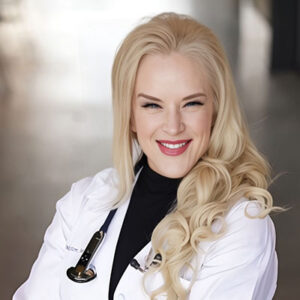
In this episode of The Better Life, Dr. Pinkston sits down with Dr. Marschall Runge, Dean of the University of Michigan Medical School and CEO of Michigan Medicine. Together, they explore the systemic challenges facing the American healthcare system and discuss the optimistic future outlined in Dr. Runge’s new book, The Great Healthcare Disruption.
The conversation dives deep into the “corporatization” of medicine, where insurance companies and administrative costs often take precedence over the doctor-patient relationship. Dr. Runge highlights a startling statistic: while the U.S. spends the most on healthcare globally, it ranks roughly 60th in “healthy average life expectancy.” They discuss potential solutions, including shifting focus toward prevention, learning from international models like Singapore and Denmark, and restoring the fundamental trust between physicians and their patients.
Key Topics Covered: The Efficiency Gap: Comparing the 16% administrative costs of private insurance to the 2% cost of Medicare.
The Preventive Approach: How lifestyle factors, nutrition, and social policy impact long-term health outcomes.
AI in Healthcare: The double-edged sword of AI being used by insurance companies to drive high denial rates.
The Primary Care Shortage: Why the U.S. has fewer primary care doctors per capita than almost any other developed nation and how “medical homes” can bridge the gap.
Restoring Trust: Moving away from “Reddit-based” medical advice and back to evidence-based care provided by trusted professionals.
Transcript Below
_____________________________________________________________________
Hello everybody. Welcome to the better life of Dr. Pinkston. I am Dr. Maryanne Pinkston and today as usual I have a
fantastic guest. I’m really excited about this uh this doctor that’s with us. Uh it is Marshall Rangi. Dr.
Marshall Rungi who is actually dean of the uh school of medicine in Michigan
and CEO of Michigan Medicine but also VP of medical affairs at the University of
Michigan. does a lot of work with Michigan uh beness my husband’s uh Ohio love and uh but also got his MD from
John’s Hopkins did cardiology fellow at Mass Gen but I think the most important
thing is he’s a Texas native so there you go right Dr. Runi, good morning. Welcome. I
I’m really excited about this topic. Everybody who’s near and dear to me knows that I uh love to discuss the
future of medicine, how things have changed, uh how they are now and where they’re going. And you are absolutely
at the top of the food chain maybe uh I’ll say on uh knowledge and direction
here. You have a wonderful book that you’ve written, The Great Healthcare Disruption. I think very appropriately
named and so welcome. I am so happy to have you. Well, thank you, Maryanne. It’s great to
be uh on your show. A real privilege. So, and thank you for your very kind comments.
Thank you. Well, we had a great discussion kind of before getting started. Um and uh you do have some
great roots in Texas and all. So, I’m uh I’m glad to have you on uh today as
well. So, let’s get started. The great healthc care disruption, I guess. give us a little bit of background on, you
know, your story and how this uh how this topic became important to you.
Well, uh I’ve spent my far more of my life in healthcare than
anything else. I uh have been in healthc care for 40 years after training and u
seen it from variety I’m a cardiologist seen it from a variety of angles. Um I’ve
as I’ve had more and more administrative responsibilities particularly in the last uh 10 or 15 years I’ve realized
that there are just fundamental issues in healthcare in the United States that we could make better. Easy thing to say
hard thing to make happen but um I got contacted by Forbes Books which is a
great publisher and they said hey would you write a book on healthcare? And I said, “Okay, what about?” They said,
“Whatever you want.” So, when do you get an offer like that? So, I I said, “How about if I write about in an optimistic
way where I think healthc care might be going or where it could go in the United States?” Yes. Good. Well, that that’s fantastic. In an
optimistic way is good because I think there are not so optimistic views of it.
I tend to get into that rabbit hole, too. I tend to get frustrated as a as a physician and as a patient. I’ve been
both now. So um it it it is and it’s great that it is an optimistic view. So
what are you know what are the major topics that you kind of hit on that you
feel are most important to our future in healthcare? Well I think it all starts with us. Uh
and when I say us I’m as health care as doctors we’re part of that but really the people and h how do we improve
health in the United States? And there are lots of different ways health is measured. But uh when you get to the
bottom line and look at what I think is one of the best indicators, which is a
measure called healthy average life expectancy, um this just shocked me when when I
started doing research for this book. I thought, well, you know, we’re probably top 10 anyway. But uh we rank now about
60th 6 in the world. and comparing us to other countries. I mean, I find that
almost unbelievable. I do too. Yeah. Uh there’s a great group of uh epidemiologists at the University of
Washington who provide some of this data and they said, well, if their their conclusion, which was published in, you
know, one of the best medical journals was that if we don’t start making changes, although our life expectancy
might increase a little bit over the next couple of decades, by 2050 we’ll be
110th in the world, right? And so well we just have to and and it’s a hard
thing to do. I mean every asp there’s nothing easy about being a patient. There’s nothing nothing easy about being
a policy maker but I think with voices like yours uh we can perhaps have an
impact and I think that’s where and and there’s lots and lots of potentials uh you know so much of the innovation in
healthcare in the world comes from the United States. Right. Right. Yeah. So that’s why I’m optimistic. I think we
have the potential. I I I’m not willing to, you know, fold my cards and say, “Okay, well, it’s over.” So, that’s why
that’s why it was a it’s a privilege to be on your show. Well, thank you. And and I hope you have that optimism and will to work hard it.
My son declared now that he wants to go to medical school. Oh, good for him.
Well, I have to tell you, I actually had some reservations about it. Yeah. And I I told him, I said, you
know, and I think my reservations come from my own just perspective of what
I’ve seen in the last 25 almost, oh my gosh, almost 30 years now of practice
because I did the private pay work for a while and transitioned into MSOs and insuranceances and that really took the
air out of my um you know, out of my professional um heart. I guess it really
was deeply personal. And it was more of a change of the guard
in power where I felt like I had all of the power to help my patients and do
what I felt was right. You know, first do no harm and and do what was right. And then it turned into more now I feel
like and and I boy there’s been so many years and I’m skipping so many steps but now more of a corporatization
uh and that is where I have the biggest um you know I guess the biggest argument
do you how do you see it that’s kind of my perspective but how do you see it? Uh
unfortunately I see it very similarly. Um so the the first thing I’ll say is
you know everybody knows I just talked about how terrible our healthy average life expectancy is but everybody knows
that the United States spends more on more dollars per person uh than any country in the world by a
long shot. Yeah. So this is a little bit of a tangent tangent but so why is that? Well, it’s
because it’s gotten corporatized as you said, right? So, uh, one one interesting bit of
information that you can look up, you can look at whatever your favorite chat GPT is, is the administrative costs of
health care. And I’m I’m going to tell something that say something that I’m sure you know, but your audience may
not. So um when you look at the administrative costs of health care um
and what that means is how much of the health care dollar is coming out because
uh it’s going to some entity that is running that healthcare right u an entity by entity I mean insurance
companies commercial insurance companies or federal government programs. So uh
the the the dogma you hear is that the federal programs are inefficient and way
too expensive. The reality is that commercial insurance companies in the United States uh their administrative
costs and this is not counting the costs related to pharmacy benefit managers their administrative costs are about 16%
on average. Mhm. If you look at another similar country, take Germany or Switzerland or uh
Norway, their their costs are somewhere between uh four and four and 8%.
Wow. Uh but then and this this this was a total shock to me. Real seriously, if
you look at the administrative costs of Medicare Yeah. 2% 2%
too, right? So, you know, I’ve I’ve spent a lot of my career the practice I’ve had a
blended practice of private practice and uh practice related to my roles, but I’ve spent a lot of it in in uh
federally funded health care. So, med Medicare is one, but uh there are a group of clinics. I’m sure San Antonio’s
has has these called federally qualified health centers. Yes. I worked in one um half a day every
other week for not a lot, but they needed a cardiologist. one in a rural area in North Carolina when I was there,
right? And both the brand of medicine, the medical home that they build is
fantastic and the people who are there doing it for the mission. Um I also have had opportunities to work on one of the
Indian health service uh one of their sites. The one I went to is Shiprock,
which beautiful place, Shiprock, New Mexico. And uh they it’s it’s the same. I mean
they have great clinicians, great providers. They’re dedicated to a mission. The uh Navajo in that case, the
tribal members uh don’t have to pay a penny for healthcare. Now, you know that they’ve earn they well earned it. They
they merit it. Um and but the government can run really great health care programs, but you
never hear that. And what what you hear is how great, you know, if you join this
insurance company, they’re going to give you a free health club membership. Um, turns out and this I mean I uncovered so
much dirt in writing this book. So turns out that they actually profit from that because they can cut a deal with a
health with a fitness center where they can enroll a thousand people
and the fitness center knows that those thousand people, how many are going to show up, how many are going to use the fitness center and so they offer that as
a benefit. they actually get paid to offer these benefits. And you know, one thing you understand, and then I’ll
stop jabbering on, one thing you understand far better than most people is
um that that is not what helps people get healthier. Correct. That’s not what helps people lose
weight. It’s people like you who take a personalized approach to health care and
understand, you know, there’s there’s so much more than saying, “Oh, here’s a membership.” So I just think we can do all these things
better now with the political environment either before or at present. Uh that’s just not in the cards. Oh, can
you mention one other thing sorry that I wanted to comment on. I read a really great uh article uh in the last week
that talked about the fundamental issue that for so many many decades
uh health care decisions were being made by uh by physicians or other health care
providers between them and their patients. Now now they’re not. They’re being made by insurance companies of
what the insurance companies will pay for. Absolutely. And you know Medicare falls into that same gap uh as well. It’s it’s whoever’s
paying now is dictating healthcare. For example, the uh we we talked a little
bit about how much of a fan I am of the GLP drugs, GLP1 drugs. Well,
you know, I think they’re going to have h long-term benefit if you’re your health care costs will go down if you
use those to control many different things. But the insurance companies and Medicare won’t pay for it because
they’re looking at the short term saying, “Well, how much is going to cost me this quarter?” Correct. So, we we just have a we have a lot of
opportunity, but it’s so hard to get help people understand that because you get these little blips on the news.
Absolutely. With that, I’ll pause. Well, that No, you’re fine. I very interesting. And I I feel like now that
kind of my perspective of it having been in private practice and owning my own
practice very different than working salary, you know, for someone and you’re right about the administrative costs.
They’re astronomical. And that is most of where I spend, you know, the the
money. People think it goes into my pocket. It absolutely does not. You know, I pay all the bills. I pay all the
staff and everything first. whatever’s left over is is mine and and at times my nurse practitioner gets paid more than I
do. So, it’s it’s an interesting uh the administrative cost is one thing, but I
find I function very well with Medicare and Medicaid and that they are easier to
work with. I don’t have to ask a lot of permissions about I mean I know how much it costs. I know if it’s you know where
the cost is coming from. I know the rules and it’s very simple, very easy. But when we flip into the insurance, it
really is all profit based. And so that is the division. You know, the the uh
government side of it, except for the reimbursement’s very low, you know, the government side of it really doesn’t
bother me. I actually would rather work with that. The insurance side though and
kind of the profit mine that goes behind it is where I I find not only the least
satisfaction but the least I guess the the least ability to provide quality
care to people who really deserve it no matter who it is that walks in my door and uh and and experienced that myself
under my own insuranceances and and uh you know I’m lucky that I know all the loopholes with my with insuranceances
right and I know how to foster that through through um the doctor’s office and their employees and whatnot. I know
how to get around that, but a lot of people don’t and that’s uh that’s to
their you know to all of our detriment for sure. But yeah, you oh my gosh, you brought up so many points I wouldn’t
even know where to start. But I think the decision-m one thing I really enjoyed hearing you say is that the
decision well Joy but I guess you you pointed out that is very important is the decision- making you know is taken
away from me and my patient in the room and guided by somebody else who looks to
a uh a profit instead and and that is I think the biggest debilitation people
also discuss to the pharmaceutical uh industry being so expensive and and so
you know bottom line driven as well. And so I guess there’s a a mix there. Do you
do you have any ideas? I mean, we’re kind of jumping straight to the end now. I don’t mean to. There’s a lot in the middle, but do you find that there’s a
good solution? What is, you know, how can we be solution driven at this point?
Um, well, uh, I have a couple of comments. I’m not sure I have any solutions,
but, um, starting with how did we get where we are, right? Right. It’s been an
evolution and you describe it very very well. Um but but as an example I will
tell you and I’m sure you know this a little factoid that your audience may not know is that uh we talked a lot
about AI and healthcare. Correct. Well the first entry of AI and healthcare has been around for a while
several years. Yes. And it is the use of AI by insurance companies. Uh and that’s how they drive
these high denial rates that we all know about. Yeah, absolutely. You know, many people and many providers
just give up after a while because no matter what you do, you don’t seem to be able to make progress. And the reason
for that is it may take it might take me or you or our assistants uh hours and
hours to go through a single medical record, right? And say look to see
did we all meet the criteria that they say we have to meet to be paid and for the patient to get that benefit.
Uh meanwhile the insurance company plugs it in you know 15 seconds everybody
knows how fast chat GPT is you know in no time at all it says hey we found
these five areas where it’s not meeting the criteria so denied they don’t tell you what those are right they say not meeting the criteria
correct and some a human being on the other side and up until very very recently has had
to try to figure that out so um so so that’s part of the problem I
think another part of the problem is that um we we have to be thinking about
health care as a long-term project, right? So for for example um
much of healthcare is paid for as I mentioned before in little increments and nobody’s really thinking about the
investment. So let let me give you my uh analogy.
Absolutely. Um we both uh uh I don’t currently but live have lived in Texas.
Texas has great highways, you know, really great highways. Really? Yes. And um but who would pay for those
highways? You know that that’s a government function. We pay taxes and we get great highways, right?
And um I think healthc care is exactly the same. we pay taxes and we ought to
get great health care because when you think about it and I’m sure you well probably not so much with your patients
with the patients I see um they their health declines and then they end up in
the hospital for a month and they need all kinds of complicated care and
if we started thinking about that more in terms of prevention which I’m sure you do but if we could think of it
nationally as prevention how do we make get people in better Yeah, I mean we we could do that.
Yeah. You know, one one of the crazy ideas I heard which uh has been tested actually
and you know has had modest results so far is instead of uh requiring that e
whether it’s Medicare, insurance companies, Medicaid, whoever it is provide gym benefits, how about if they
provided delivery of healthy meals. So, you couldn’t do that for three meals a day, but you could uh get that and and
you know, some of these I I haven’t bought it myself. I should, but these healthy meals you can get uh are great
and that might help people shift. Uh the last thing I’ll say about just in the purely preventive manner,
um one of the countries in the world that ranks really high is Singapore. So, Singapore is why are they so high?
It’s really structured. And in fact, one of my sons uh was working in that part of the world, had the opportunity to go
to Singapore and he said, “Dad, I can’t live here.” And I said, “Why is that?” And he said, “Well, do you understand
that you can be arrested for bringing chewing gum into the country because they they you know, they keep everything
pristine.” Yeah. And but what they do also in terms of health is they’ve made it impossibly
expensive to own a car. So, and it’s like $100,000 a year when you include
insurance and and wow, driver’s license. $100,000 a year. So,
you know, Singapore is really different than San Antonio, for example. You can’t walk all over San Antonio, but
uh it it helps people do much more walking, just regular walking.
The other thing they do is they tax um what we call either junk food or highly
processed food. Cheetos, pick your favorite one that you can’t put down that food chemists over decades have
made it so you just can’t put it down. They tax that at a very high level. And then so I don’t know what the
numbers are, but if a bag of Cheetos costs $3 here, it might cost $20 there.
They take that money. So partly that discourages people, but they take that money and they make healthy food
inexpensive. Really inexpensive. Yeah. Could we do things like that in the United States? I don’t know. Bloomberg
tried to to get rid of uh the huge fountain drinks in movie theaters in New
York and you know he’s he’s a guy who gets things done but he couldn’t get that done. Get that done. Boy, I imagine.
Wow. It’s like like taking guns away in Texas. I bet it’s just not not going to happen, right? So I know and I think you
know what I have dealt with with people in you know trying to take a
preventative role most of the time is cost and that cost somehow can be
distributed in a in a different manner for people to afford what they need to the tools they need. You know a good
dietician a uh you know a trainer uh somebody to help them in their fitness
goals. Not everybody’s healthy and can just go out and you know and run and and get healthy. You know there are people
with back problems and you know you need guidance and uh I think that if we could
I agree with you if we could kind of redistribute our our funds in a different manner to to boost more
healthy uh um you know roles and and and and decisions uh for people that would
be wonderful. I think we are also kind of in that mode kind of profitbased too
just by the privatized community you know the latest fad the latest supplement the latest medication you
know makes a billion dollars for somebody uh in six months and then they disappear and that fat is gone we’re on
to the next one right so there’s a level of education that’s missing I think that is equal to you know kind of uh um
healthc care and and how we handle it so with the you know with some of the
problems. What are other areas that you see uh that we could you know um attack
and and especially maybe on the corporate side again I think that is a a wealth you know distribution issue um
where where do you see more you know more problems and kind of answers to
that? Um well um although I won’t say
that I’m uh a huge fan of government intervention, I think there’s some things that the government could do. So
um one is uh there there are no limits on uh what uh
providers I don’t mean people what companies that provide any kind of health care can make. I mean they and as
you said a good example is people come on with whatever the latest uh vitamin neutrautical is. It doesn’t require FDA
approval and and they can make what I mean there there rules about what they can claim but those rules are not
enforced at all. Right. So you know they sell a bunch of that junk and make a ton of money and then
they’re on to unto onto another entrepreneurial effort. So these are entrepreneurs. Yeah. you think about insurance
companies uh or pharmacy benefit managers, PBMs as they’re called. Um
PBMs in in particular uh are so annoying to me because they don’t provide
anything. Yes. And but they scrape off a PBM uh scrapes off more than 15 more than 15% of the
what the uh the drug costs. And so if you if you think about any drug that you
buy at either pharmacy or online pharmacy or wherever uh it could instantly be 15% less if we just get rid
of PBMs right do that no they contribute gobs of money
and uh so so I think putting and and other countries have done this putting some boundaries around
what people can make what what companies can make uh in healthcare I mean the same thing
is done with utilities It’s done with all these things that are kind of government overseen programs.
Right now, these are not government overseen at all. So, as I said, I mean, I don’t want to live in Singapore and I,
you know, I don’t want my life regulated by the government government, but if it’s if it’s regulating something so
fundamentally important as healthcare, um, I think there’s a tremendous amount
to be said for that. And so so that’s an an area I I will mention also people
will hear about um how how great health is in a place like Denmark or Norway or
whatever, right? It’s low cost and they have a great they have a great public health system. I learned I had no idea this. I learned
that in Denmark um nearly half the people in addition to
that government sponsored insurance uh they have private insurance. Wow.
It’s like a Medicare supplement here. Yeah. I mean, they don’t advertise that at all, but that is what is the case.
Wow. Not know that. Interesting. Imagine imagine a world where or not a world a
country where everybody had access not to you know goldplated healthcare
insurance but to the kind of the minimum and think of the VAS or think of um you
know whatever but we don’t have this amount number of the population which
depending on where you live can be 15 20 San Antonio might be 30% population has
zero healthare so what do you do if you don’t have any healthare Well, you can’t afford it and so your health declines until you really
get sick. So, you know, if we had some kind of baseline and you know, this is a lot of
things I talk about are polarizing to either one or the other side of the political always, right?
But but this one polarizes both because uh the people who think the government
generally the Republicans who think the government spends way too much money on healthcare, they say, “Oh, that’s just a waste of money.”
The Democrats uh say we’re not going to stand for two levels of healthare where
there’s healthare here for the wealthy and healthcare here. And when I have this discussion with many of my friends,
I say look they’re not two levels there they’re there already two levels if not three levels. So one level is
commercial, one’s government. Then there’s large percentage people have no healthcare.
Yeah. So, you know, I I’m the funny thing I say is in what I’m
trying to do, honestly, my largest goal and in this conversation
that we’re having in my career over the next 10 years, I’m I’m really gonna get
out of my administrative duties. I’ve done them long enough. I’m going to start seeing patients again in the VA.
But, but my goal Yeah. Wow, that’s great. That usually people do the opposite.
Yeah. Well, you know, we’re our kids are grown and we don’t need, you know, a
huge income. But, um, uh, my goal is to try to help people
understand that even in this world of constant information from, uh, AI or from, you
know, Reddit, Reddit is the worst in my opinion. Oh gosh. Um, we need to reestablish, and I I’m
not saying this pjoratively about other health care professionals professionals, but we need to reestablish that trust
between physicians and their patients. A lot of that’s lost. And it’s lost now because and my wife who actually is a
retired physician, uh, she’ll come to me and say, “Well, you know, I read about such and such and you know what you’re
saying is not right.” And I say, “Well, let me guess. Was this Reddit?” and and you know it’s just whatever and
it is it is and so anybody these days can say anything they want and unless there’s some way and I don’t
have that way of restoring that trust I think the trust has been lost with all these changes in healthcare
it’s not lost I don’t think because of uh predatory physicians
making a billion dollars it’s lost because of all these other factors that
are focusing down on healthcare absolutely Very well said. And I know we get a lot
of a lot of flat guy, we get a lot of accusations about making too much money and and especially from pharmaceuticals,
you know, they they take you to dinner, they take you skiing. I’m like, if you think that makes it makes any difference
to my level of care for my patients. I’ve got a lot more to worry about than that, believe me. And so I have a a few
more interesting questions for you. Uh on this note, um I do we probably will take a short break, but I do want people
to know where to find you and your book and all. Just uh FYI, if you are
watching YouTube, uh you’ve got the visuals. Uh we are running his website down at the bottom, but also I got a QR
code in the top right corner or top left corner depending on how you’re looking at it. Um that uh takes you straight
there. But uh Dr. Rugie, please tell me how people can best find you and uh
we’ll go from there. Okay, first is Marshall to you and everybody else in the world, my first
name. Um so uh one of the best places to go is a website that was established
with Forbes. It’s called uh it’s Dr. for doctor. It’s all one word. Dr. Marshall
M- A Lungi.com. So that has a website. It has
connections to all kinds of things, but includes if you want to get in touch with me. I’m not the greatest in getting
back in touch, but I I do try uh if you want to get in touch with me, if you want to uh uh find information about the
book that was published in May, The Great Healthcare Disruption. Uh so, so that’s the best place to start.
My wife says when she looks me up, she finds me doing crazy things on social media. So you you can follow that, but
that that doesn’t have the real information you need. Exactly. No, of course. And so, uh, all
of that will be on my website, drpetlife.com. Hopefully, all of you are familiar with
that and can find a bunch of great people that I’ve had on the show, but definitely can find uh Dr. Rangy
Marshall on there and uh we will provide that. Plus, like I say, all our great shows, drpet.com.
Uh we are going to take a short break and pay homage to my great uh sponsor uh
which is Magna Pharmaceuticals. So just one moment, we’ll be right back. I’ve got some interesting questions for you.
Depression, anxiety, low energy, weakness. These are just some symptoms of low B12 levels. And the absorbable
B12 folate supplement that’s helping people declare victory over depression symptoms is Denovo Plus B12 by Magna
Pharmaceuticals. Patients with symptoms of depression often exhibit low levels of folate and vitamin B12. The human
body needs sufficient folate intake to produce the essential neurotransmitters serotonin, dopamine, and norepinephrine.
These neurotransmitters alleviate feelings of sadness, anxiety, and gloom. What makes Denovo Plus B12 so
successful? Denovo Plus B12 contains readily absorbable folate and B12. That
means it’s more successful at correcting the root cause of your deficiency, not just the symptoms. Whether you are
suffering with low energy, depression, fatigue, or anxiety, you owe it to yourself to learn more at magnb.com.
That’s magnb.com. Please let us know at checkout that you heard about Denovo Plus B12 on the
better life with Dr. Kingston. So, welcome back. I appreciate everybody
listening in. I am with Dr. Marshall Rungy who is with the University of Michigan and oh my gosh you’ve got a a
laundry list as long as my leg of of wonderful things that you’ve accomplished and done and and thank you
for uh for also paying attention to healthcare as it stands at the moment
and uh I don’t know hoping to make things better. So, you’ve got the book, The Great Healthcare Disruption, and uh
that’s going to be accessible on the website and we’ll talk more about that in a minute. But I do have a couple of thoughts that uh came across. We were
talking. Um I’m hope you can speak to it and I’m kind of throwing a curveball at
you, but I know now there’s a shift in medical care. First of all, I’ll say
that uh something and reiterate something you said that now anybody can be certified or claim certification or
you know make claims that they know and understand um you know a uh a disorder
or a process like nutritionists and and trainers or uh people like that who are
you know non-f physician trained um maybe nonprovider trained and so people
can access information from anybody and you don’t know what’s true and what’s not. And so I hope we can visit with
that. But in bringing that up now, there’s a different step to getting care in this country. And that are the mid
levels, which they don’t like to be called anymore. But uh if I’m talking about physician assistants and nurse
practitioners who play a great role, I have a fantastic nurse practitioner at my clinic. I trust him empirically. He’s
an amazing provider. Not all are though. But this is uh this is concerning to
people and again may take away a little bit from the physician, you know, patient role. How do you feel about
that? Uh well, I’ll start by saying I agree with you. I think uh physicians
assistants and nurse practitioners uh play an incredibly important role in healthcare. And um
for I I I think for example uh with nurses with both of those groups but
with with uh non advanced nurses as they’re called um there’s a real
shortage and we’re looking at more of a shortage in the United States over the next 10-15 years. But importantly
there’s a huge shortage in physicians now anticipated and the the shortage is
greatest in primary care physicians. the primary care meaning family medicine, general pediatrics, general medicine,
general obstetrics and um that is another big issue. Some I
I want to talk about that for just a moment. If you if you look at graphics which I have in the book uh that look at
uh the cost of health care in countries across the world, we’re way high. If you look at the uh number of primary care
physicians per capita per person, uh we are way low. We’re the lowest and uh
sometimes by a factor of um you know 10 or more. They have 10 more
primary care physicians uh than we have for a given population. So what’s the solution there? Well, obviously we need
to figure out how to make primary care more attractive and more people to go into it. We have a general physicians
shortage. So that’s not going to fix everything, right? And I think that there are many great models for um ways that physicians
practice with what I’ll call u mid-level providers as you did or advanced we call
them a advanced practice uh practitioners. Um so um and mostly the
ones that I find most attractive are around what we call a medical home and
ical home means that people can go to a single place and uh they get care from who they need to get care from that day.
Uh they frequently have um availability of a discount pharmacy. A lot of times
they have dental care, sometimes opthalmologic care or at least virtual opthalmologic care,
right? And there are many examples of this. The one that I’ve practiced in that I find
really compelling is the federally qualified health centers. uh which I think in Michigan there are 38 or so of
them. Uh they provide a great medical home and so why is this so much so important? Well, everybody’s worked
together. Um I I find out that I have some problem and they they they keep up
with their patients. Uh so I call them up and say, “Man, I’m I’m having a terrible cough.” And they say, “Well,
come on over.” And I go on over and uh I’m screened by typically either a
nursing assistant or an RN. And then if I need to see a
mid-level um they’re they’re there and they’re available and they schedule that way. If you know if I’m like have a
blood pressure 300 over 150 very complicated problem the physicians get
involved immediately. Yes. So a lot of the you know it’s it’s joint decision- making. Um the models I I do
think there’s a place also and I’ve spent a lot of time in rural Texas. There’s a place where there’s just you
can’t get a doctor to practice there. Absolutely. And they have health centers particularly I mean the ones I know best
are in the Hill Country where they have a PA or a nurse practitioner
and uh they’re independent practitioners uh in areas where we really need that.
So uh I’m a big fan of that also. Uh so that that’s where I see this interface
and and I think that there’s a lot of uh back and forth chatter about well
who gets who gets paid, how much they get paid. Um but but generally those
professions get paid well and so so I think there’s a place for everybody.
Yeah, I agree. And you know my uh in in Texas and you know um our our
associations I won’t name anybody but our associations are actually very very strongly against you know kind of the
the mid-level entrance and and having more and more power um you know controlled substance you know scripts
and and things like that and and I understand it um but I have I don’t know
probably over 15,000 hours now in teaching nurse practitioners and PAs you
just through my clinic and my private practice and I love it. These people are very very hungry to help they and
provide they are very excited about what they’re doing and they recognize and know and understand that they are not
attending medical school. So they are at a you know different level and and you know not not not a suble I don’t want to
appear to say anybody’s kind of below me but they there’s a difference in knowledge right and expertise and so
they they know where they are and the greatest thing that I teach them always is if you don’t know ask that’s all you
have to do if you’re in with somebody and just follow that gut that’s inside if it’s something that you know tells
you I’m not sure about this you just need to ask and That is what’s great
about having a a practice, you know, uh kind of like what I have is that, you know, uh uh provider Wel knows exactly
when to ask and I will intervene at any moment and it you know and he is always
free uh to do that and it it works very well. Now you mentioned the uh lack of
uh incentives or or whatnot for primary care. This occurred back when I was in
medical school. there was a huge shortage at that time and that is when we developed the whole gatekeeper you
know model which right which is an insurance driven uh absolutely
that’s an insurance thing a gatekeeper please and so the um I think the the
model of that as a gatekeeper needs to change and the model of prevention now I
worry about training and and I love this because you’re the dean of a medical school So you can tell me more about
this and I I’m a sponge. Please please uh educate me on the training now. Where
are we in training physicians on more of a preventative model with nutrition with
fitness with you know uh weight management uh disease management for the
future things like that. Where where are we in our training? because a lot of people complain about a lot of people I
think that don’t have the knowledge complain about well my doctor wasn’t trained to know any of that. So how what
what are your thoughts there? Well overall at the end of the day it’s a good news story. Um I do want to
comment about um u oh now I forgot what I was going to comment about. Oh, sorry.
Something about uh um mid-level providers. But anyway, maybe it’ll come
back to me. And and when it does, just just let us know. I’m sorry. No, no. Um but uh
I think that um we we need to evolve. So, for example, um I pushed and am
still pushing at the University of Michigan that we have a three-year curriculum for primary care physicians
and that’s in multiple fields and uh the ones I mentioned before uh family
medicine, general internal medicine, etc. And um
uh so people say, well, wait, that’s we’re not going to have well-trained physicians. Well, that’s not true. And
the reason that’s not true is when you and I went through medical school, me even earlier, um you had to memorize
everything. Now, now it’s impossible to memorize. So the skill set is different.
Uh it’s it’s you have to have a fundamental knowledge, but do you have to have organic chemistry? I’ll just go
out there and say what a waste and and it and it excludes a lot of people
from uh medicine. So, um, there have been now a small handful of medical
schools that have gone to the three-year curriculum. We’re seriously looking at this. Uh, you have to declare that
you’re going to go into primary care. And, uh, if you do, and we don’t have
this all set up, I wish we did, but, we’re working on it. If you do, you do three years of medical school, three
years of of residency, and if you then stay in practice, it’s a full tuition
reimbursement. So, one of the one of the problems with primary care is, you know, it doesn’t pay very well. And so, people end up with a a debt of $200,000 or
$250,000. I mean, that’s like buying another house. So, um I think we need to think hard about
how to do it. Um, the last thing I’ll say about this and I’ll I’ll I’ll let you know if I remember what else I was
going to say, but um, universities in general and medical
schools in particular, uh, no, universities in particular and medical schools in general trying to affect
change is so difficult. So difficult. People just don’t want to change. And there are thousand voices say no, we
can’t do it that way. We can’t do it that way. And uh I read a book that was given to me recently called Whatever it
Is I’m Against It. I mean, that’s the title. Whatever it is, I’m Against It. And it was written by a former
university president, but it’s so true. And and so I think we, you know, but
taking that bull by the horns is really difficult. And as I’ve tried to make changes to work toward this three-year
curriculum to do some of these other things we’ve talked about u you know there George Bush had a phrase a
thousand points of life. There are a thousand points of no right absolutely because I know and we
used to call it what the good old boy system. Well I did it this way so you’re going to do it this way. Right. And but
you know we’ve such a different we could go on all day about you know the difference in work ethic of our
generations now and it’s not necessarily bad. It it and and thank God my son
never practiced in a different era where he would be so rubbed the wrong way by the system as it is. But you know I I’m
hoping that he will be one of those that takes it and makes uh makes some great changes. Oh I remember I remember what I was
going to say. So another another positive for the future is that what what I see uh in our
medical school and I think people see everywhere is we went through this era where uh everybody wanted to figure out
well yeah I want to be a doctor. I want to join the country club. I want to make as much money as I can. Not everybody but that was a common view. uh I think
the current generation uh is more um interested in uh improving health
and so I think they will be much more immunable to your voice to the voice of
people say let’s let’s think about how do we improve health uh and maybe even rebrand ourselves
maybe not we’re not healthcare providers maybe we’re health encouraers that’s a terrible word
I don’t you’re you’re on the right track I agree with you completely I Do I see that change in in the generation? They
are really more footed to think about the better of people rather than the bottom line dollar. And and uh so and I
know you and I went into it for the right reasons and so many did. And I I’ll I’ll add on just to that the things
that I did or did not learn in medical school is not always the responsibility of all the faculty and people I ran
into. I got a great education. I got great training. I got out there was still a lot especially like in the
weight loss and nutrition area that I did not know but you know what that’s my responsibility as a physician to keep
learning change right we get you get a new decade and things change and that is my
responsibility so physicians are responsible to continue their education outside of that and their knowledge base
of everything so don’t forget if your if your doctor doesn’t know something it’s their responsibility to to you know say
I don’t know and go learn it and that’s important important, right? I figure you agree there. But, uh, you know, Dr.
Ranki, thank you, Marshall. Thank you so much for being on today’s very
enlightening conversation. I appreciate it. You’re very humble, very gracious. Uh, and and uh um I love this book. I
think everybody needs to read it. I think it’ll give you a good strong base about positivity for change in the
future. I do think we can do it. I have I felt like I’ve seen a tide over the last couple of years of change. It feels
positive. So, I’m hanging on to that and uh and you were part of that. Thank you. Is there anything else? Any other
thoughts? Anything we missed that you want to add on here? Well, I I would just say I I I feel a
common spirit with you and I think we could talk for hours, but uh I think we hit some really
important topics. I I’ll mention one last thing that I didn’t think about. So people are always going to online
sources for healthcare advice and most of those they’re just a few that are any good.
Absolutely. And web WebMD for example or up up to date that uh doctors and healthcare
providers know about. Um but and I can’t believe these words going to come out of my mouth but I think the closest thing
to uh good advice about health care these days is uh through AI. So chat GPT
or or Gemini or whatever you use and they have now they have clearly when I
look up something it says this is you know where the field is and they’re
usually quite accurate and they say but you should talk to your physician
this is not medical advice and that’s like a world away of what you’ll read in these other sites where
where people are you know people who with no medical training are giving you advice so
be cautious. That’s I I’ll do I’ll say that’s one of the areas in which I think AI can help us with health as we move
forward. It does give you an idea and I ask it I I I do it too as a physician.
Yeah, me too. I can get some great studies to pop up of things that I need but I always ask
it too for the specifics of what I want. If I want something more integrative, if
I want something more contemporary, whatever it is, you know, just be specific and and it does hand that to
you. please in in all aspects. Make sure the people that you’re talking to are truly certified and studied in in what
they’re doing and uh uh and you know learn keep your knowledge base open and
your mind open but go talk to your doc that you trust please and keep that uh I
think patients are responsible too for keeping that trust going. Um I’ve learned my my position with patients has
changed a lot. they come in kind of already educated and already kind of know what they want and and think they
know what’s going on and and so sometimes my trust with patients is don’t assume everybody’s done that. Just
let’s let’s have a conversation about what’s best for you. I’ll give you all your power to make your decision for
yourself, but but please trust me again and we’re working on it. But thank you so much for being on today. Uh where can
people find you? Tell us again. uh they can find me uh the best place I think is through uh the website for uh the great
healthcare disruption and it’s dr m a r s h a ll ru n ge all one word that’s dr
marshall rungi.com and if you don’t it has virtually
everything a person needs to uh find out about me about contacting me about the book etc
yes and that will also be on my website at drp betterlife.com
and as well as many other great shows. I’ve been doing this for almost four I think three and a half years now or so
and it’s been wonderful. So there’s a lot there. But uh thank you again for appearing and uh talking with me uh
everybody. I hope you have a fantastic week and as always please take care of each other out there. We’ll see you next
time. [Music]